News

The latest news from TBA Ltd.

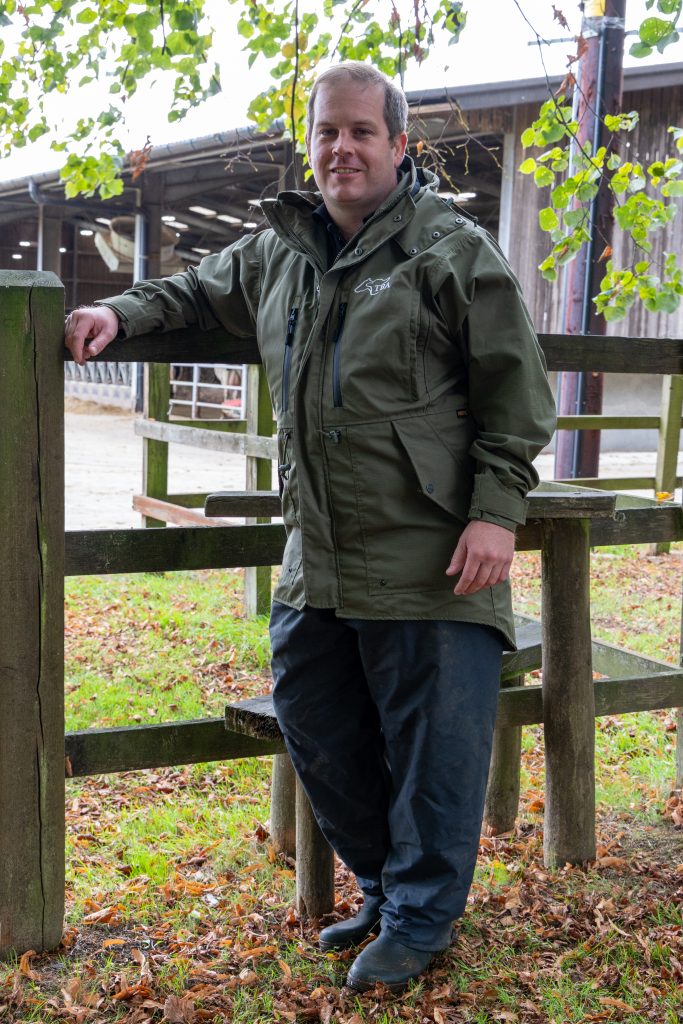
Learning, Networking and Discussion at Our Autumn Calf Roadshow
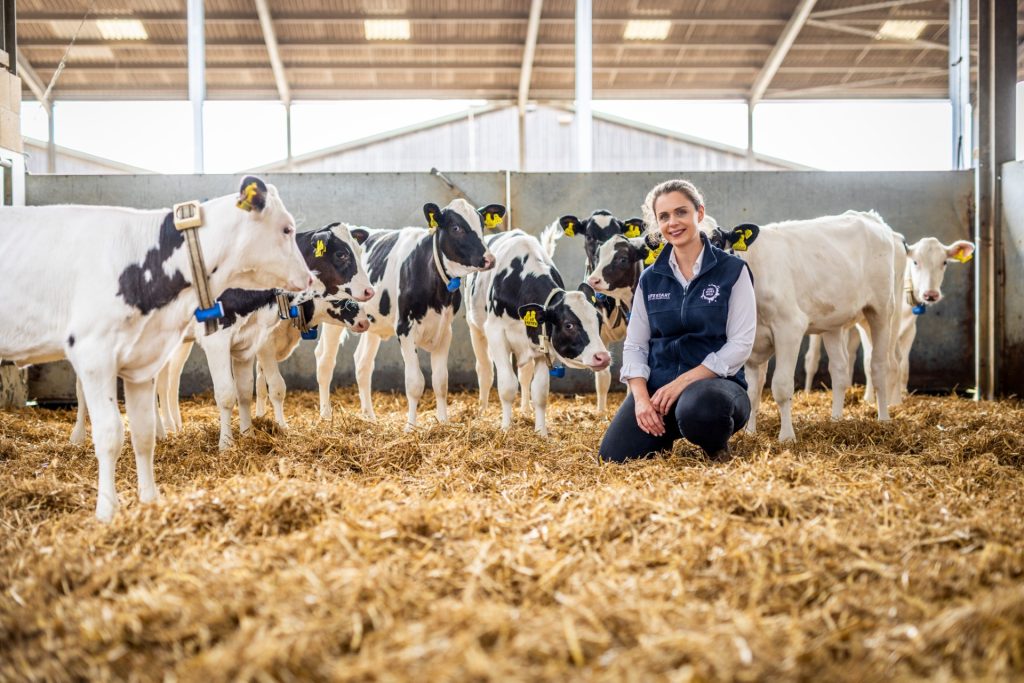
Last week, we were delighted to hold our Autumn Calf Roadshow: Setting Up Calves for Success; bringing together farmers and industry experts for a day focused on calf health, performance, and best practice.

The event proved to be a great success, with plenty of engagement from attendees throughout the day. It provided a valuable opportunity for farmers to step away from their day-to-day routines, connect with fellow farmers, and gain insights from some of the industry’s leading voices.

A key highlight of the event was our impressive line-up of guest speakers, who shared their expertise on a range of topics affecting calf rearing. From animal health and nutrition to optimising the environment, each presentation offered practical advice and thought-provoking ideas that attendees could take back to their own farms.

The first day was held at Grange Farm, home to the Yeatman family. We started the day hearing about James’s impressive CowRecovery bucket system. Groups then moved around the farm to visit 5 stations. Here are some of the key takeaways:

·- Georgina Thomas from Trouw talked about the importance of feeding fat to aid development, the benefits of feeding more milk and what success looks like in early life.

·- Dr Ryan Davies from SCCL stressed how the first feed of colostrum should provide 300g of IgG and the scenarios where farmers should be supplementing maternal colostrum with SCCL.

·- Ellen Taylor from Synergy Farm Health spoke on how cleanliness on farm is paramount, giving real life examples from some of her farms. She also talked about managing Crypto on farm and how farmers can improve resilience to this disease.

· –Grace Kitching from Galebreaker gave a great demonstration of how air behaved in the calf shed with a smoke bomb. She spoke about tests that farmers can do at home to assess their calf sheds environment, such as the kneel test.

· –Dr Sion Richards from Balchem talked about how supplementing dry cow diets with choline will improve colostrum quality and quantity, as well as decreasing risk of metabolic disorders in early lactation. He went on to state that feeding choline in the first 100 days of milk has been shown to increase yield by 2l/head/day.

The second day of the roadshow was held at Puxton Court farm, owned by the Mead family and managed by Richard Smith. This day was in partnership with the George Vet Group; it was great to work together and see new faces. Here were some of the main messages from the day’s speakers:

· –Zoe Williams from The George Vet Group opened the day talking about the journey that Puxton have been on in the last year, focusing on improving calf health and performance. It was great to see that pneumonia cases have reduced by 54% in the last year.

· –Georgina Thomas and Nacia Bonnick from Trouw talked about the relationship between early life nutrition and sustainability. Nacia ran through real life examples to see where replacements are lost from a system and how this equates to your carbon footprint. Georgina gave an update on KPI’s that farmers should be targeting.

·- Dr Ryan Davies from SCCL spoke about some of the factors that affect absorption of colostrum. He also talked about how the BRIX target has moved from 22% to 25%, it was refreshing to hear Ryan talk about how farmers should constantly be pushing targets to better their herd.

· –Dr Sion Richards from Balchem talked about how choline interacts with the liver and what that means in terms of performance for the cow. He stressed that not all choline products are the same and farmers must be wary of those that are not rumen protected.

· –Louise Hall from Virbac gave a very interactive talk (helped with chocolate) about using Multimin in times of stress for the calf such as weaning and dehorning. She spoke about how this injectable will help protect the calf when demand for trace minerals is high to prevent slumps in performance.


In addition to the informative presentations, it was great to see attendees contributing their own experiences and perspectives. These conversations are an important part of events like these, helping to encourage knowledge sharing with industry representatives and fellow farmers.

We would like to extend our sincere thanks to all of the speakers who generously shared their knowledge and expertise, as well as to everyone who attended and contributed to the success of the event. A massive thanks goes to James and Harry at Grange Farm and Rich and Lucy at Puxton Court for hosting these days, without them these events wouldn’t be possible. The enthusiasm, engagement, and willingness to share experiences created a fantastic atmosphere from start to finish. We look forward to continuing the important conversations that began last week.

Thank you to everyone who joined us and helped make the days such a success.

written by Mollie Freeston

T: 07777 153819
E: Mollie@tbagri.co.uk
W: www.tbagri.co.uk

Unit 3 Pulham Business Park
Dorchester, Dorset, DT2 7DX
United Kingdom… Read the rest

Learning, Networking and Discussion at Our Autumn Calf Roadshow Read More »
Navigating the challenges ahead of the coming winter

A combination of climate and global economic impacts mean dairy farmers are facing a particularly challenging winter, but careful planning now can help
ensure margins are optimised and shocks minimised.

A combination of climate and global economic impacts mean dairy farmers are facing a particularly challenging winter, but careful planning now can help ensure margins are optimised and shocks minimised. Developing and monitoring a plan is the best way to have as successful a winter as possible and reduce risk as the season unfolds.

While milk prices are showing signs of improvement, the market remains volatile and exposed to global factors. At the same time, the ongoing conflict in the Middle East shows no signs of easing and continues to disrupt feed commodity markets, while stocks of key ingredients have been affected by global growing conditions.

Commodities and straights are gaining in price and in some cases the availability is not there. The combination of these market conditions means it will be vital to assess the impact on margins and the value of marginal litres.

Where is the optimum point to maximise margins? Do you gamble on markets improving or take a more conservative approach based on cost control?

This picture is made more complicated by forage supply. Initial forage analysis results for first and second cuts suggest considerable variations in quality, but the big issue is quantity.

Not only were harvest yields reduced in many parts of the country, but the drought conditions decimated mid-season grazing, meaning that many clamps have already been opened, putting more pressure on winter stocks. Maize crops have been affected by the drought in many parts of the country, which will affect yields as crops die back quicker. Dry conditions at the grain fill stage will also impact starch content.

Faced with this situation, the sooner a plan is made to manage forage stocks, the easier it will be to get through the winter.

Start with a realistic assessment

The starting point is to make a realistic assessment of silage stocks working in dry matter (DM) terms. Use an analysis for each clamp to determine the total DM available and allow for 5% DM wastage over the winter. How does the total DM available compare with what you would usually feed and how can you manage the consequences?

Forage

For example, a herd of 200 cows fed for 180 days and usually fed 12kg DM of forage per day would require 432,000kg DM in total. If total available forage is 396,000kg DM you would be able to feed only 11kg DM per cow per day. If 360,000kg DM were available, then cows would be restricted to 10kg DM/day. Any reduction in forage availability will have implications for yields and margins. It is important to understand what stocks are available as soon as possible, to understand the implications and to plan accordingly. Smaller changes at the start of the winter will help avoid more radical changes later in the season, which could have bigger consequences. Reduced forage intakes will have implications for supplementation and feed costs. Care will need to be taken to ensure rumen health is maintained with a lower proportion of forage in the diet, and energy and protein sources will need to be adjusted. To help control feed costs it might pay to look to reduce total protein fed and balance diets with amino acids.

The key question will be what target yield should be set? Will it pay to push for higher yields if feed costs will be higher or can margins be optimised by feeding for slightly reduced yields? It might be that fresh-calvers are pushed harder and supplementation reduced more in mid- and late lactation when cows are back in-calf. At least having the discussion will ensure you know what to expect.

Review cow numbers


Another part of the plan should be to review cow numbers. If forage stocks are low then feeding fewer animals may be an option to reserve forage for the remaining cows.


Taking our example of 200 cows being fed 12kg DM/day for 180 days and needing 432,000kg DM for the winter, every 21,600kg DM deficit would require 10 fewer cows to be kept to allow intakes per cow to be maintained.
On all dairy farms there will be cows scheduled for culling. Making a decision to reduce cow numbers sooner could allow the remaining cows to be fed without forage restrictions and could have other benefits.
Selling culls sooner will give cashflow a boost. Reducing cow numbers will also increase feed space and lying space for the remaining cows.


Carrying fewer cows could also reduce milking times, especially if cow numbers are matched to parlour capacity, avoiding the issue of having the parlour running when not fully utilised.
Reducing milking times will save electricity costs and release labour for other tasks, or even give team members more of a break.

… Read the rest

Navigating the challenges ahead of the coming winter Read More »

Melplash Show 2026

We are really looking forward to attending the Melplash Show on 27th August.

Find the TBA Ltd team on Stand D93

Find out more about the show here https://www.melplashshow.co.uk/

Come along and meet the team – we will have ice-cream! 🍦🐄

… Read the rest

Melplash Show 2026 Read More »

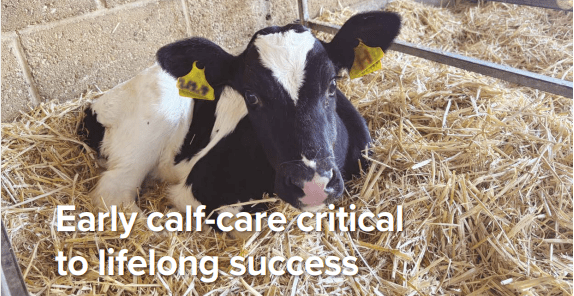
Early calf-care critical to lifelong success

Focusing on getting calves off to the best start should begin with good colostrum management and scrupulous hygiene.

We share some tips and pointers for success.

An article by Phil Eades for ‘Cow Management‘

Expand to read more on this topic which was compiled with expert insight from Mollie Freeston

Many thanks to Phil for allowing us to publish this article.

… Read the rest

Early calf-care critical to lifelong success Read More »

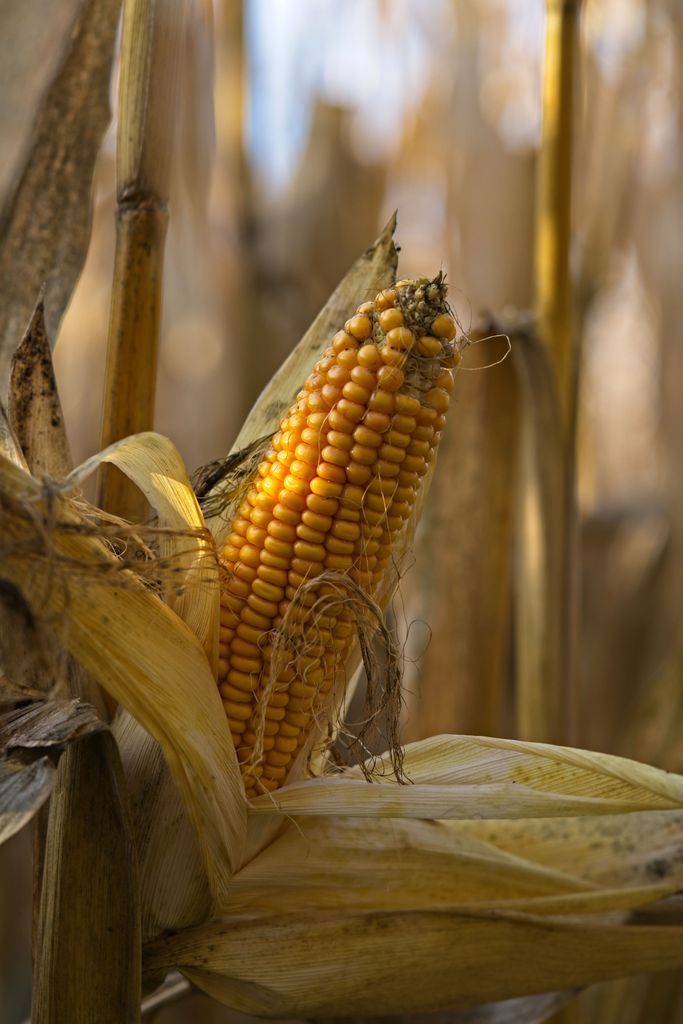
Detailed close-up of ripe corn on the cob in a sunlit field during harvest season.

Is Your Maize Silage Heating Up?

Protect More of What You Grow with F1 Ice Gold

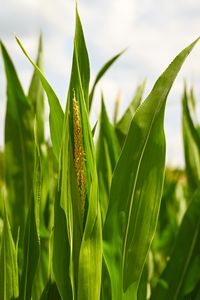
Vibrant green corn stalks with visible tassels under the bright sun.

Growing a good crop is only half the job. The real return comes from keeping as much of its energy, protein and dry matter as possible from harvest through to the feed passage.

Maize silage, wholecrop and drier grass crops can present particular challenges at ensiling. Their higher dry matter can make effective consolidation more difficult, increasing the risk of air remaining within the clamp. Once the clamp is opened, exposure to oxygen can also encourage yeasts and moulds to become active, leading to heating, spoilage and valuable feed being lost.

AHDB guidance highlights several situations where a silage additive may help maintain maize silage quality, including crops harvested above 35% dry matter, wide clamp faces, slow feed-out rates, feeding during warmer weather and where aerobic spoilage has been experienced previously.

Heating Silage Is More Than an Inconvenience

A hot clamp face is not simply annoying. Heating is a visible warning that the forage is becoming unstable.

When yeasts and moulds begin using the nutrients stored within the silage, dry matter and energy can be lost as heat and carbon dioxide. The forage may become less palatable, leading to sorting, reduced intakes and inconsistent performance.

AHDB notes that invisible dry matter losses from silage clamps can exceed 15% in some circumstances, while good management and preservation techniques can reduce losses to below 5%.

Every percentage point lost is forage that has been grown, harvested, carted, rolled and covered, but never reaches the cow.

What Is F1 Ice Gold?

F1 Ice Gold is a dual-action forage additive developed for:

  • Maize silage
  • Fermented and drier wholecrop
  • Drier grass crops
  • Forages at increased risk of heating and aerobic spoilage

It combines competitive silage bacteria with feed-grade salt preservatives. The two components work together to support rapid fermentation while helping to control the yeasts and moulds responsible for heating and spoilage.

This makes F1 Ice Gold particularly suited to challenging crops where achieving a fast, stable fermentation and maintaining clamp stability may be more difficult.

Fast Fermentation Helps Protect Nutrients

Successful ensiling relies on removing oxygen and creating the right conditions for fermentation as quickly as possible.

The homolactic bacteria within F1 Ice Gold are designed to produce a rapid and efficient fall in pH. According to the product specification, the competitive bacterial strains are intended to complete fermentation within two to three days.

A faster fall in pH can help:

  • Reduce the breakdown of true protein
  • Limit ammonia production
  • Preserve more usable energy
  • Reduce dry matter losses
  • Maintain forage palatability
  • Support more consistent intakes

Achieving the correct pH during fermentation is important because it helps preserve the nutritional value of the crop until it is exposed to air again at feed-out.

Added Protection Against Yeasts and Moulds

The bacterial component supports fermentation, while the feed-grade preservative salts provide a second line of defence.

When applied at the recommended rate, the preservatives cover the forage in a matrix of salts designed to restrict the activity of unwanted organisms. This can help reduce:

  • Yeast and mould growth
  • Heating at the clamp face
  • Spoilage during feed-out
  • The effects of soil-borne bacteria
  • Losses caused by poor aerobic stability

The result is a more stable forage that is better able to retain its feeding value after the clamp is opened.

This is especially relevant to drier wholecrop, which AHDB describes as being more susceptible to yeasts and moulds. AHDB advises that an appropriate additive can help support fermentation and improve keeping quality once the forage is exposed to air.

Better-Preserved Forage Supports Better Feeding

The objective is not simply to produce silage that looks or smells better. It is to retain more of the crop’s nutritional value.

Well-preserved, palatable forage supports higher intakes and more consistent livestock performance. Poorly preserved forage can introduce greater variation into the ration, making it more difficult to maintain stable dry matter intakes and formulate diets accurately.

By helping to preserve energy, protein and dry matter, F1 Ice Gold is designed to help farmers get more feeding value from every tonne harvested.

That matters whether the forage is being used to support milk production, growing cattle or finishing animals.

Correct Application Matters

One pack of F1 Ice Gold is mixed into 200 litres of clean water and applied at a rate of two litres per tonne of fresh forage.

The preservative salts should be dissolved before being added to the applicator drum. The bacterial sachet should be mixed separately with a small quantity of water and added immediately before use to protect the viability and shelf life of the bacteria.

Accurate calibration is essential. Check the applicator before harvesting begins and monitor application throughout the job to make sure the correct volume is being delivered.

An Additive Cannot Rescue Poor Clamp Management

F1 Ice Gold should be used alongside good harvesting and clamp management, not as a replacement for it.

For the best results:

  • Harvest at the correct dry matter
  • Adjust chop length to suit crop conditions
  • Fill the clamp quickly
  • Spread the crop in thin, even layers
  • Consolidate thoroughly
  • Seal the clamp immediately
  • Maintain a clean, tight clamp face
  • Move across the face quickly enough during feed-out

AHDB recommends harvesting maize at approximately 28% to 35% dry matter, consolidating it well and sealing it completely to create rapid anaerobic fermentation.

When good clamp management is combined with the right forage treatment, farmers have the best opportunity to protect the crop they have invested in growing.… Read the rest

Is Your Maize Silage Heating Up? Read More »

SealPlus Oxygen Barrier Sheets, F1 Ice Gold, F1 evo and the NEW F1 ForageSafe Silage Preservatives

When it comes to making the most of home-grown forage, preparation matters.

Let’s talk silage! A good crop is only part of the story. The way it is preserved, protected and managed through the clamp can make a real difference to feed value, dry matter retention, palatability and overall performance. With input costs still front of mind for every farm business, making better use of what you grow has never been more important.
At TBA Ltd., our mission is simple: to assist farmers in achieving optimum yields and profits using their forage and feed crops, then balancing them with the best proteins, energy, fibre and supplements available to achieve their target output.
That is why we are pleased to supply a range of high-performance products to support the silage-making process and beyond. From our superior SealPlus Oxygen Barrier Sheets to our silage additives F1 Ice Gold, the new F1 ForageSafe and F1 Evo for grass silage only, we have got you covered.


Protecting the value in your clamp


Silage making is an investment. From seed selection and crop management through to harvesting, clamping and livestock feeding, every stage matters.
Once the crop is in the clamp, the priority is to preserve as much quality as possible. Poor sealing, oxygen ingress and a slow pH drop can all contribute to spoilage, waste and dry matter losses. The right combination of sheet, additive and on-farm advice can help support better preservation and reduce unnecessary losses.


SealPlus Oxygen Barrier Sheets for better clamp protection


Good clamp coverage is one of the simplest and most important steps in protecting forage quality.
SealPlus Oxygen Barrier Sheets help to create an effective seal, reducing oxygen ingress and supporting the fermentation process. They also play an important role in protecting the clamp surface from weather, contamination and avoidable waste.


TBA Ltd supplies a high-performance silage sheeting solution as sole agents for SealPlus Silage Systems in the South West. SealPlus Oxygen Barrier Sheets are designed to provide excellent oxygen exclusion through their multi-layer construction and reduced permeability, helping to minimise oxygen penetration and support better preservation of valuable forage.


Whether you are covering grass, maize or wholecrop silage, the right silage sheet can play an important role in protecting forage quality and reducing losses throughout the storage period.


F1 Ice Gold: supporting challenging silage conditions


F1 Ice Gold is a silage preservative designed for use in more challenging conditions, including higher dry matter grass silage, wholecrop and maize.
The higher dry matter content and/or the specific texture of these forage crops make them more difficult to compact during clamping, resulting in a more open structure of the clamp and thus retaining more oxygen and also becoming more easily affected by exposure to oxygen once the clamp is opened.
As a dual-action silage additive, F1 Ice Gold combines beneficial bacteria with a feed-grade salt preservative to support the ensiling process and help limit spoilage from yeasts and moulds and where aerobic stability is more challenging.
For farms looking to reduce waste, improve clamp performance and protect the nutritional value of their silage, F1 Ice Gold is a practical option to discuss with the TBA sales team.


NEW F1 ForageSafe silage additive and F1 Evo


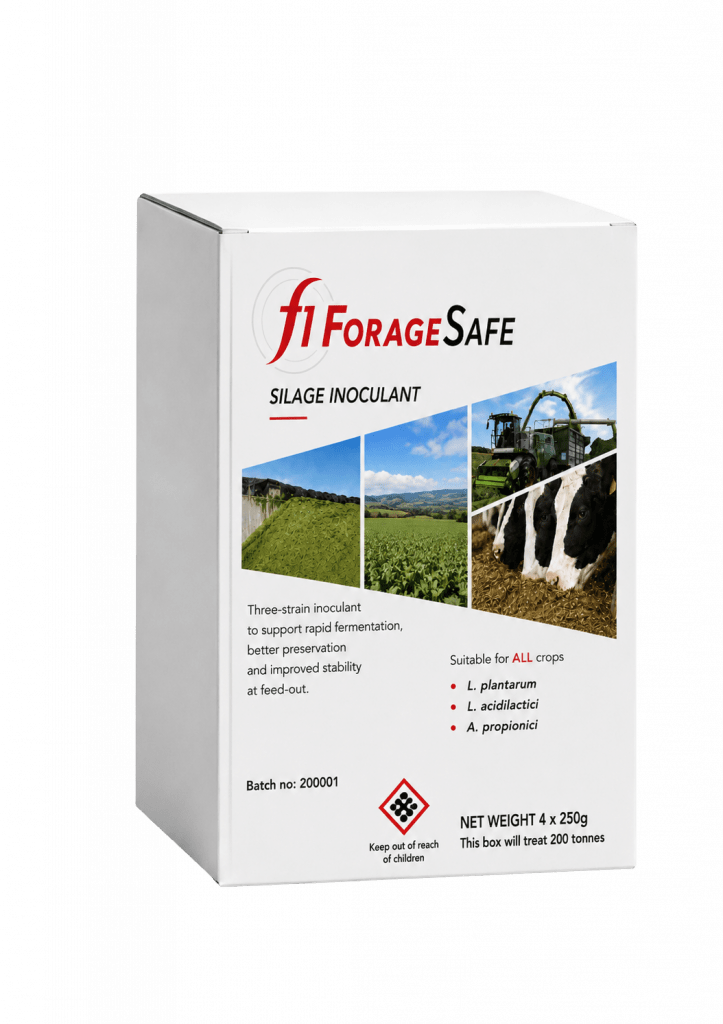
F1 ForageSafe is a new silage additive suitable for all silage crops, helping farmers preserve forage quality from harvest through to feeding.


A new 3 strain formula helps support aerobic stability and contributes to reducing the risk of spoilage from yeasts and moulds, particularly when silage is exposed during feed-out. A faster pH drop, better preservation, cooler silage resulting in a stable feed-out.


Alongside F1 ForageSafe, TBA Ltd also supplies F1 Evo, a proven silage inoculant designed specifically for grass silage. The most suitable product will depend on crop type, dry matter, clamp management and individual farm objectives.


The right product choice will depend on crop condition, dry matter, clamp management, rate of silage use and the wider ration. This is where experienced advice matters.
More than products: practical advice for your farm


TBA Ltd supplies a wide range of products to support livestock performance and forage utilisation, including:
• Blends, straights and moist feeds
• Compound feeds
• Protected proteins
• Performance feed supplements
• Minerals
• Liquid feed
• Calf milk replacers
• Silage additives and preservatives
• Grass and clover seed mixtures
• Cereal and maize seeds
• Hygiene products


Our focus is not simply on supplying products. It is about helping farmers make informed decisions that suit their system, their forage, their herd and their performance targets.

As maize harvest approaches, at TBA we have the knowledge, experience and the products to support you and your farm to produce the best silage possible.

… Read the rest

SealPlus Oxygen Barrier Sheets, F1 Ice Gold, F1 evo and the NEW F1 ForageSafe Silage Preservatives Read More »

Heat Stress in Dairy Cattle: Why It Is More Than Just Hot Weather

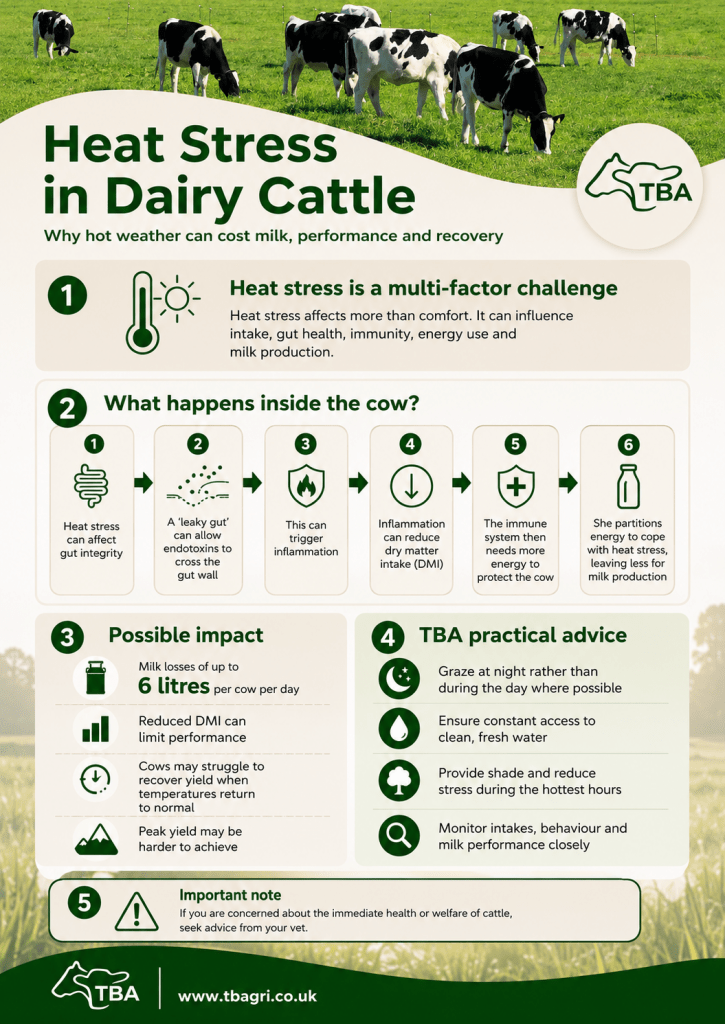
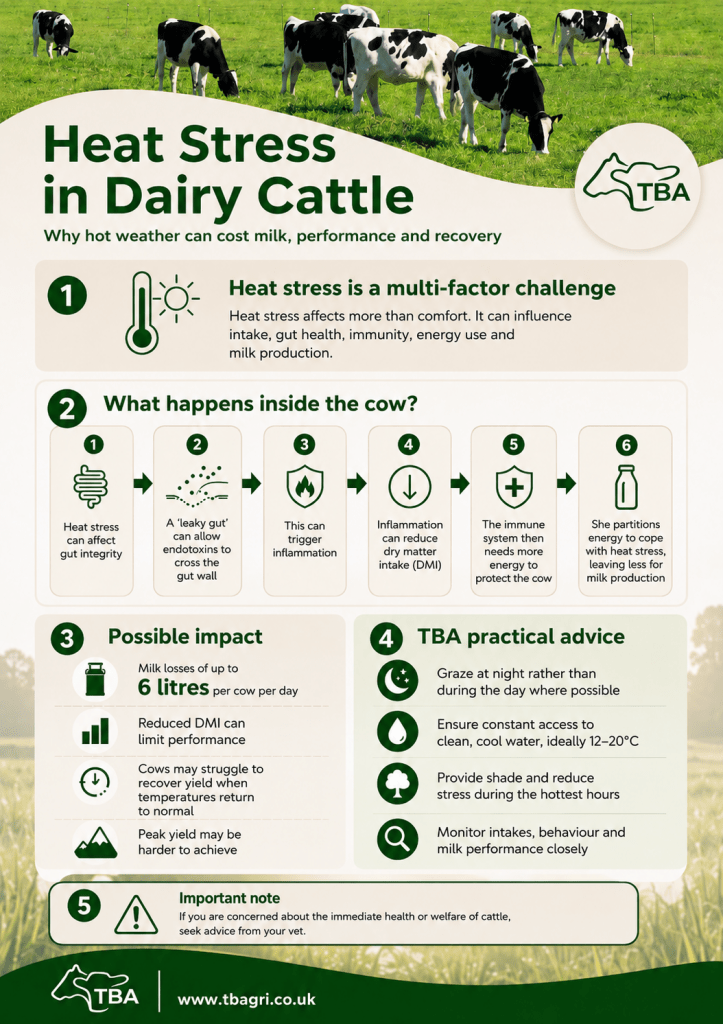
Heat stress in dairy cattle is a multi-factor challenge. It is not simply a case of cows feeling uncomfortable in hot weather. When temperatures rise, especially alongside high humidity, the cow has to work harder to regulate her body temperature. That creates pressure on intake, rumen function, gut health, immunity, fertility and milk production.

For high-performing dairy cows, this can quickly become costly.

What happens during heat stress?

When a dairy cow is under heat stress, one of the first things often affected is dry matter intake, also known as DMI. She eats less because digestion generates heat, and reducing intake is one of the ways the cow tries to limit internal heat production.

The problem is that less intake means fewer nutrients available for milk production, body maintenance and recovery. At the same time, the cow is using more energy to cope with the heat challenge itself.

This is where heat stress becomes more complex than a simple drop in appetite.

The link between heat stress, gut health and inflammation

Heat stress can affect gut barrier function. This is sometimes described as “leaky gut”, where the gut wall becomes more permeable. When this happens, endotoxins can cross the gut wall and trigger an inflammatory response.

That inflammation can further reduce DMI, creating a difficult cycle:

  • The cow is hot, so she eats less.
  • The gut may become more vulnerable, increasing the risk of endotoxin challenge.
  • The immune system is activated to protect the cow.
  • More energy is used for defence and survival, rather than milk production.
  • The cow starts partitioning energy away from performance and towards coping with the heat stress challenge.

In practical terms, the cow is not just producing less because she is eating less. She is also using more of the energy she does consume to deal with the physical and immune pressure caused by heat stress.

What does this mean for milk yield?

The impact can be significant. Heat stress can lead to milk losses of up to 6 litres per cow per day in some situations, particularly where cows are already under pressure or where the heat challenge is prolonged.

The concern is not only the immediate loss. Once temperatures return to normal, cows may not automatically bounce back to previous yield levels. If heat stress hits during early lactation, or around the period when cows should be moving towards peak yield, she may struggle to recover fully and may never quite meet her expected peak.

That makes prevention and early action far more valuable than trying to correct the problem once the losses are visible in the tank.

Signs farmers should be watching for

Heat stress can show itself in several ways, including:

  • Reduced feed intake
  • Lower milk yield
  • Increased standing time
  • Panting or faster breathing
  • Reduced rumination
  • Looser dung
  • Lower butterfat
  • Fertility issues
  • Cows gathering around water points or shaded areas
  • A drop in intakes or milk may be one of the first measurable signs, but by that stage the cow may already be under metabolic and immune pressure.

Practical management: graze at night where possible

One practical step TBA recommends is to graze at night rather than during the day where the system allows.

Night grazing can help reduce the cow’s exposure to peak daytime temperatures and allows her to graze during cooler hours. This can support intake and help reduce the pressure on cows during periods of hot weather.

Other practical considerations include:

  • Ensuring constant access to clean, fresh water ideally 12-20 degrees C
  • Providing shade where possible
  • Avoiding unnecessary handling during the hottest part of the day
  • Reviewing ration density when intakes are under pressure
  • Maintaining forage quality and palatability
  • Monitoring high-yielding and fresh-calved cows closely
  • Checking trough space and feed availability
  • Supporting rumen function and overall digestive health
  • You could also set up a water sprinkler system on entry and exits of the parlour to help evaporative cooling

Every farm system is different, so the best approach is usually a combination of environment, grazing management, nutrition and close observation.

Nutrition has an important role to play

During hot weather, cows may eat less but still need to maintain performance, immune function and health. This means ration balance becomes even more important.

Supporting dry matter intake, rumen stability and nutrient supply can help reduce the impact of heat stress on performance. Good-quality forage, consistent feeding, fresh feed availability and appropriate supplementation all have a part to play.

TBA works with farmers to review forage, feed and nutritional strategy so that cows are supported through seasonal challenges, including periods of heat stress.

Act before the drop happens

The best time to plan for heat stress is before it starts showing in the milk tank.

If you know warmer weather is coming, now is the time to look at grazing patterns, water access, feed presentation and ration support. Small changes made early can help protect cow comfort, intake and performance.

For advice on supporting your herd through heat stress, speak to the TBA sales team. We can help you review your current feeding approach and identify practical steps to support your cows through warmer weather.

Important note

If you are concerned about the immediate health or welfare of any cattle, seek advice from your vet as soon as possible.

Written by Trevor Birchall and Sophie Parker-Norman of Abireo

SPEAK TO OUR TEAM
… Read the rest

Heat Stress in Dairy Cattle: Why It Is More Than Just Hot Weather Read More »

National YOungstock conference 2026

National Youngstock Conference 2026

National YOungstock conference 2026

TBA is proud to be sponsoring this year’s National Youngstock Conference, taking place in Solihull, Birmingham on 15 July 2026.

The National Youngstock Conference 2026 is back this summer with another packed programme that offers something for all calf rearers – whatever their calf-rearing management system, or level of experience or expertise.

Tickets are already selling fast for this year’s National Youngstock Conference, which will be held on July 15 at Birmingham’s National Conference Centre. And the day is set to offer delegates a varied programme, packed with the very latest ideas, innovations and information to take calf rearing to the next level on all beef, dairy, and specialist calf-rearing units.

As in previous years, National Youngstock 2026’s conference will provide something for everyone. From calf rearers looking for a ‘best practice’ refresher on the cornerstones of good management, such as colostrum, milk feeding or weaning. But, more importantly, there will be a wealth of information and expertise on hand for rearers wanting an update on the latest research and technology, or how to manage more challenging issues, such as mycoplasma.

The conference aims to be the leading technical event for rearers looking to take their systems to the next level when it comes to maximising health and welfare, and optimising growth to hit key targets for both beef calves and dairy replacements. The National Youngstock Conference will be chaired, again, by the event’s clinical director Tim Potter, and will also involve other leading industry professionals. Providing a forum for producers, vets, researchers and other dairy and beef professionals, the National Youngstock Conference aims to promote best practice and facilitate the exchange of ideas relevant to all stages of youngstock rearing.

The programme of presentations for the National Youngstock Conference 2026 event will cover topics and issues including: calving and colostrum management, milk feeding and weaning, preventing and controlling of disease, hygiene and the calf environment, and calf housing. More information about specific presentations will be released in the months leading up to the event.

From the TBA team, Jadine, Andy and Mollie will be attending and would be delighted to meet farmers, customers and industry contacts throughout the day.

You’ll find us on stand 103. Use code TBA@NYC26 to receive 10% off the ticket price

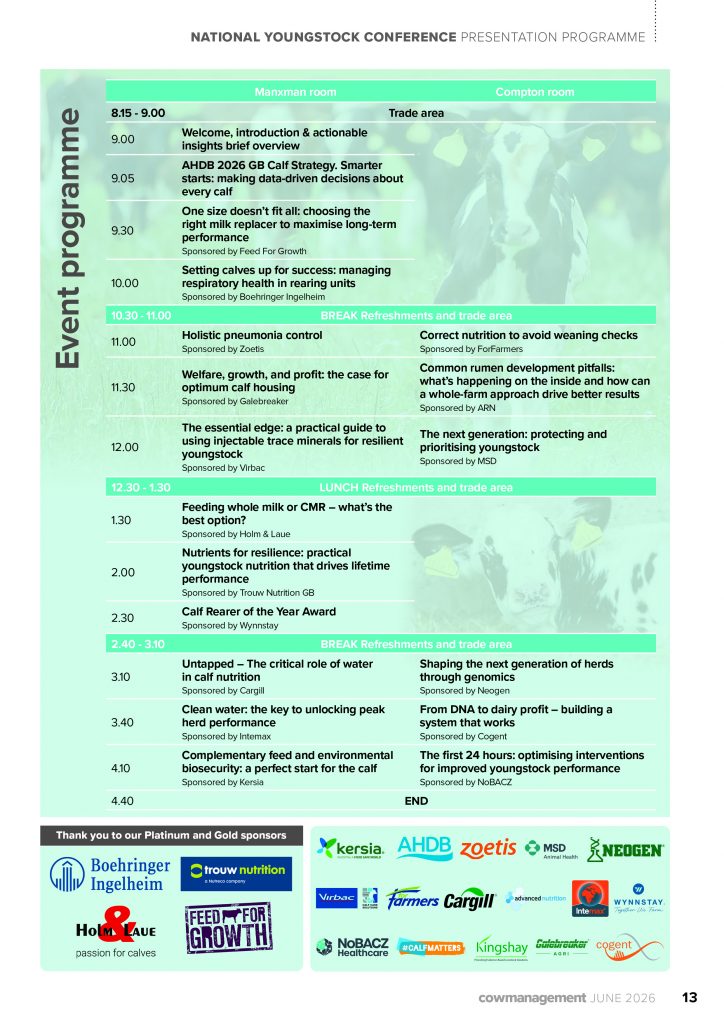
Click on the link below for the event programme

EVENT PROGRAMME

Why attend?

The National Youngstock Conference is a strong opportunity to hear from leading voices across the industry, explore practical ideas and take away useful insight that can be applied back on farm.

Topics in the National Youngstock Conference programme include:

  • Calf strategy and smarter decision-making
  • Milk replacer choices and long-term performance
  • Pneumonia control and youngstock welfare
  • Nutrition to avoid weaning checks
  • Water quality and calf nutrition
  • Genomics and future herd development
  • The first 24 hours and optimising youngstock performance

Tickets are £49.50 plus VAT and include access to the full presentation programme, trade area, tea and coffee, and lunch.

Use the TBA discount code

As sponsors of the event, we are pleased to help promote attendance through the TBA discount code. Use code TBA@NYC26 to receive 10% off the ticket price

Scan the code to book

Ready to secure your place at the National Youngstock Conference?

To book tickets click on the QR code or for more information visit the website: www.cowmanagement.co.uk and click on the conference tab

Scan the QR code to book your ticket for the National Youngstock Conference 2026.

Come and see us on stand 103

Jadine and Mollie will be on hand throughout the day to speak with visitors about youngstock nutrition, herd performance and how TBA supports progressive dairy and beef businesses.

Whether you are already working with TBA or would like to find out more about what we do, come and say hello.

We look forward to seeing you in Solihull on 15 July.

… Read the rest

National Youngstock Conference 2026 Read More »