
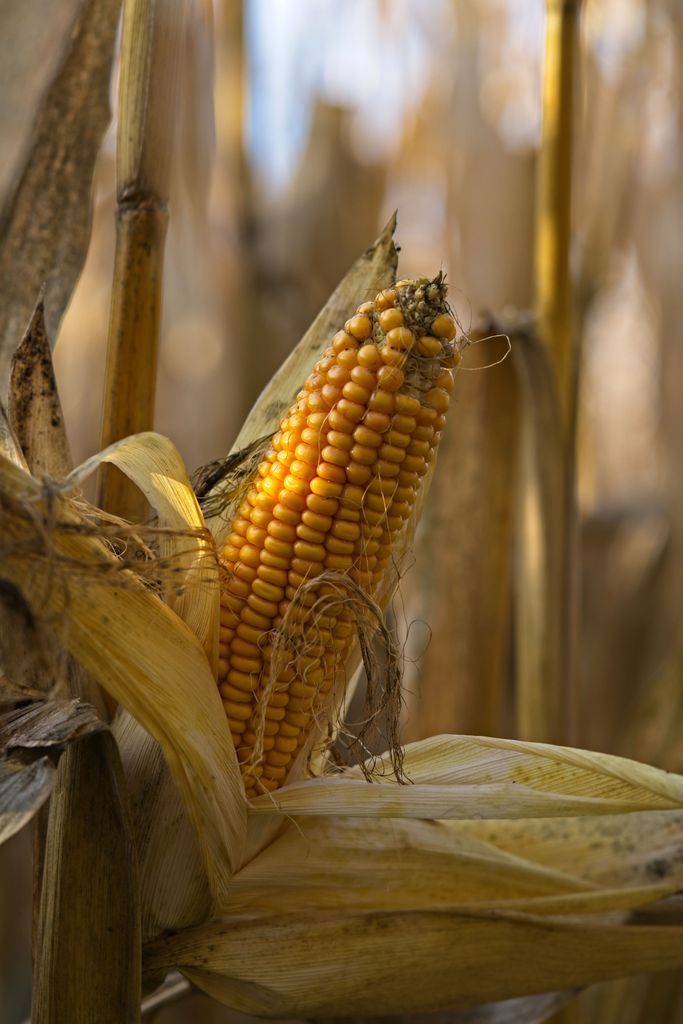
Is Your Maize Silage Heating Up?
Protect More of What You Grow with F1 Ice Gold
Growing a good crop is only half the job. The real return comes from keeping as much of its energy, protein and dry matter as possible from harvest through to the feed passage.
Maize silage, wholecrop and drier grass crops can present particular challenges at ensiling. Their higher dry matter can make effective consolidation more difficult, increasing the risk of air remaining within the clamp. Once the clamp is opened, exposure to oxygen can also encourage yeasts and moulds to become active, leading to heating, spoilage and valuable feed being lost.
AHDB guidance highlights several situations where a silage additive may help maintain maize silage quality, including crops harvested above 35% dry matter, wide clamp faces, slow feed-out rates, feeding during warmer weather and where aerobic spoilage has been experienced previously.
Heating Silage Is More Than an Inconvenience
A hot clamp face is not simply annoying. Heating is a visible warning that the forage is becoming unstable.
When yeasts and moulds begin using the nutrients stored within the silage, dry matter and energy can be lost as heat and carbon dioxide. The forage may become less palatable, leading to sorting, reduced intakes and inconsistent performance.
AHDB notes that invisible dry matter losses from silage clamps can exceed 15% in some circumstances, while good management and preservation techniques can reduce losses to below 5%.
Every percentage point lost is forage that has been grown, harvested, carted, rolled and covered, but never reaches the cow.
What Is F1 Ice Gold?
F1 Ice Gold is a dual-action forage additive developed for:
- Maize silage
- Fermented and drier wholecrop
- Drier grass crops
- Forages at increased risk of heating and aerobic spoilage
It combines competitive silage bacteria with feed-grade salt preservatives. The two components work together to support rapid fermentation while helping to control the yeasts and moulds responsible for heating and spoilage.
This makes F1 Ice Gold particularly suited to challenging crops where achieving a fast, stable fermentation and maintaining clamp stability may be more difficult.
Fast Fermentation Helps Protect Nutrients
Successful ensiling relies on removing oxygen and creating the right conditions for fermentation as quickly as possible.
The homolactic bacteria within F1 Ice Gold are designed to produce a rapid and efficient fall in pH. According to the product specification, the competitive bacterial strains are intended to complete fermentation within two to three days.
A faster fall in pH can help:
- Reduce the breakdown of true protein
- Limit ammonia production
- Preserve more usable energy
- Reduce dry matter losses
- Maintain forage palatability
- Support more consistent intakes
Achieving the correct pH during fermentation is important because it helps preserve the nutritional value of the crop until it is exposed to air again at feed-out.
Added Protection Against Yeasts and Moulds
The bacterial component supports fermentation, while the feed-grade preservative salts provide a second line of defence.
When applied at the recommended rate, the preservatives cover the forage in a matrix of salts designed to restrict the activity of unwanted organisms. This can help reduce:
- Yeast and mould growth
- Heating at the clamp face
- Spoilage during feed-out
- The effects of soil-borne bacteria
- Losses caused by poor aerobic stability
The result is a more stable forage that is better able to retain its feeding value after the clamp is opened.
This is especially relevant to drier wholecrop, which AHDB describes as being more susceptible to yeasts and moulds. AHDB advises that an appropriate additive can help support fermentation and improve keeping quality once the forage is exposed to air.
Better-Preserved Forage Supports Better Feeding
The objective is not simply to produce silage that looks or smells better. It is to retain more of the crop’s nutritional value.
Well-preserved, palatable forage supports higher intakes and more consistent livestock performance. Poorly preserved forage can introduce greater variation into the ration, making it more difficult to maintain stable dry matter intakes and formulate diets accurately.
By helping to preserve energy, protein and dry matter, F1 Ice Gold is designed to help farmers get more feeding value from every tonne harvested.
That matters whether the forage is being used to support milk production, growing cattle or finishing animals.
Correct Application Matters
One pack of F1 Ice Gold is mixed into 200 litres of clean water and applied at a rate of two litres per tonne of fresh forage.
The preservative salts should be dissolved before being added to the applicator drum. The bacterial sachet should be mixed separately with a small quantity of water and added immediately before use to protect the viability and shelf life of the bacteria.
Accurate calibration is essential. Check the applicator before harvesting begins and monitor application throughout the job to make sure the correct volume is being delivered.
An Additive Cannot Rescue Poor Clamp Management
F1 Ice Gold should be used alongside good harvesting and clamp management, not as a replacement for it.
For the best results:
- Harvest at the correct dry matter
- Adjust chop length to suit crop conditions
- Fill the clamp quickly
- Spread the crop in thin, even layers
- Consolidate thoroughly
- Seal the clamp immediately
- Maintain a clean, tight clamp face
- Move across the face quickly enough during feed-out
AHDB recommends harvesting maize at approximately 28% to 35% dry matter, consolidating it well and sealing it completely to create rapid anaerobic fermentation.
When good clamp management is combined with the right forage treatment, farmers have the best opportunity to protect the crop they have invested in growing.
Protect the Feed You Have Already Paid to Produce
Once maize or wholecrop has been harvested, there is no opportunity to replace the nutrients lost through heating and spoilage.
F1 Ice Gold provides dual-action protection by supporting rapid fermentation and helping to control yeasts and moulds. For farms dealing with drier crops, slow feed-out, wide clamp faces or a history of heating, it can provide valuable additional protection.
Before harvest, speak to the TBA team about your crop, dry matter, clamp dimensions, feed-out rate and previous silage results.… Read the rest
Is Your Maize Silage Heating Up? Read More »