
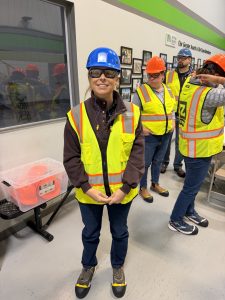
Jadine Huxtable, Operations Manager at TBA Ltd, shares her insights from a trip exploring Californian dairy farming, nutrition and innovation.
What can UK dairy farming learn from California?
That was one of the questions I took with me when I travelled to the United States courtesy of Zinpro, as part of the Zinpro 3 Truck Trip.
Visiting dairy farms, nutrition businesses and food processors gave me a fascinating insight into a different dairy industry — and plenty of ideas to bring back to the UK.
Dairy farming on a different scale
California’s dairy industry operates on a very different scale to much of the UK sector.
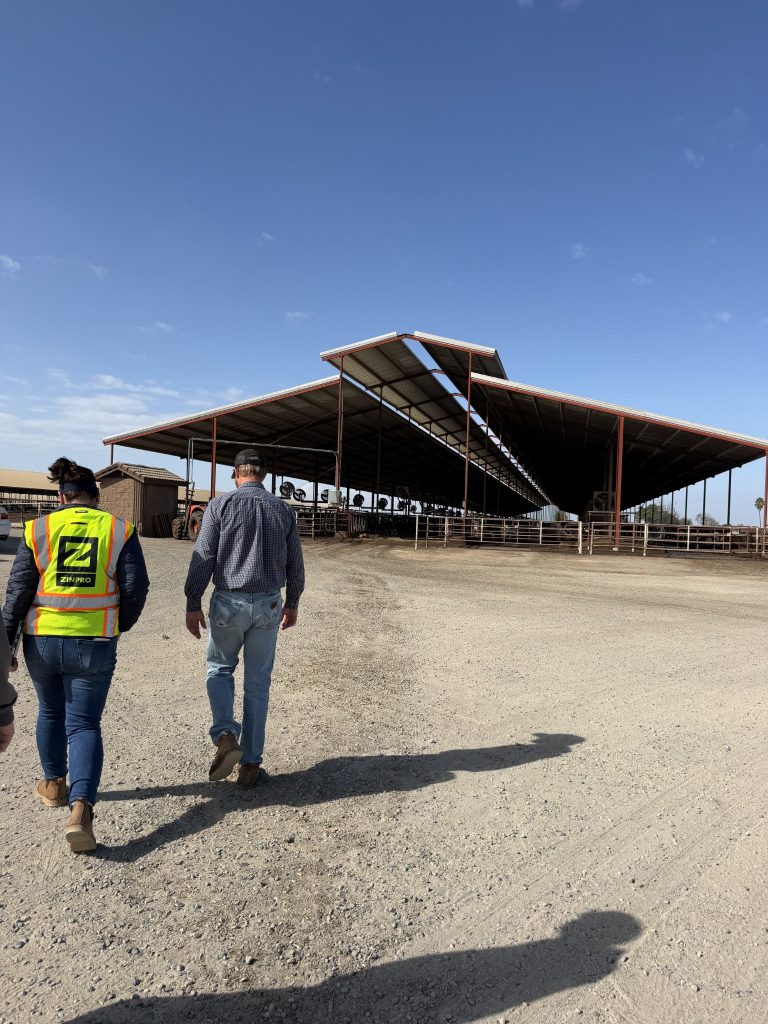
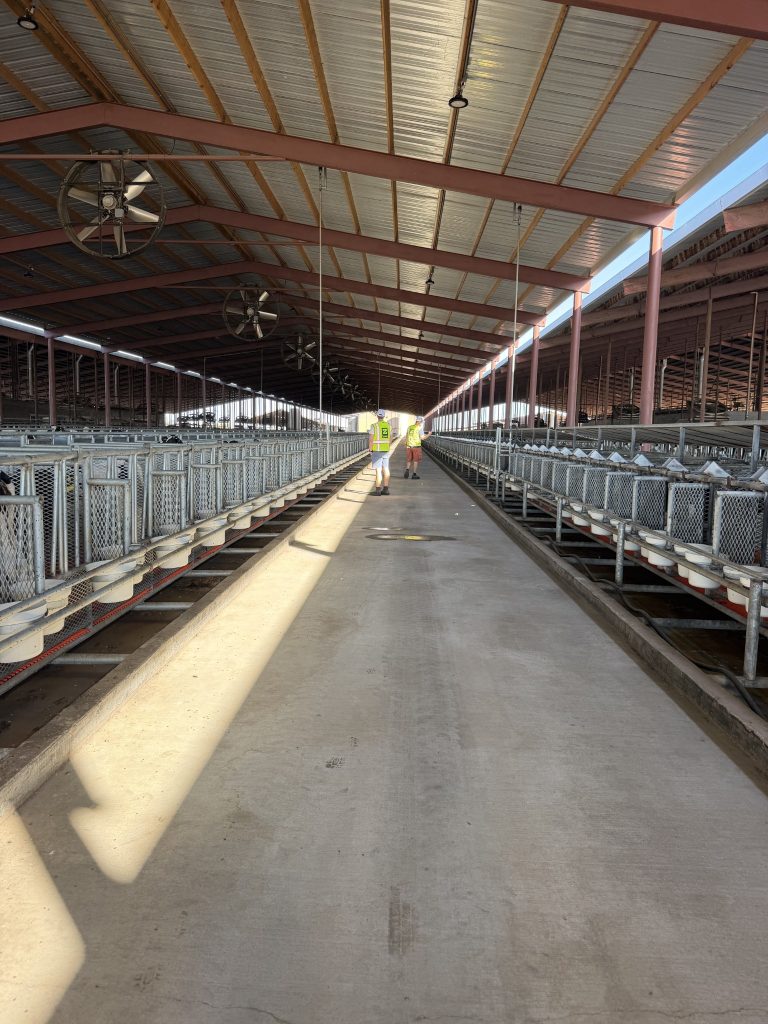
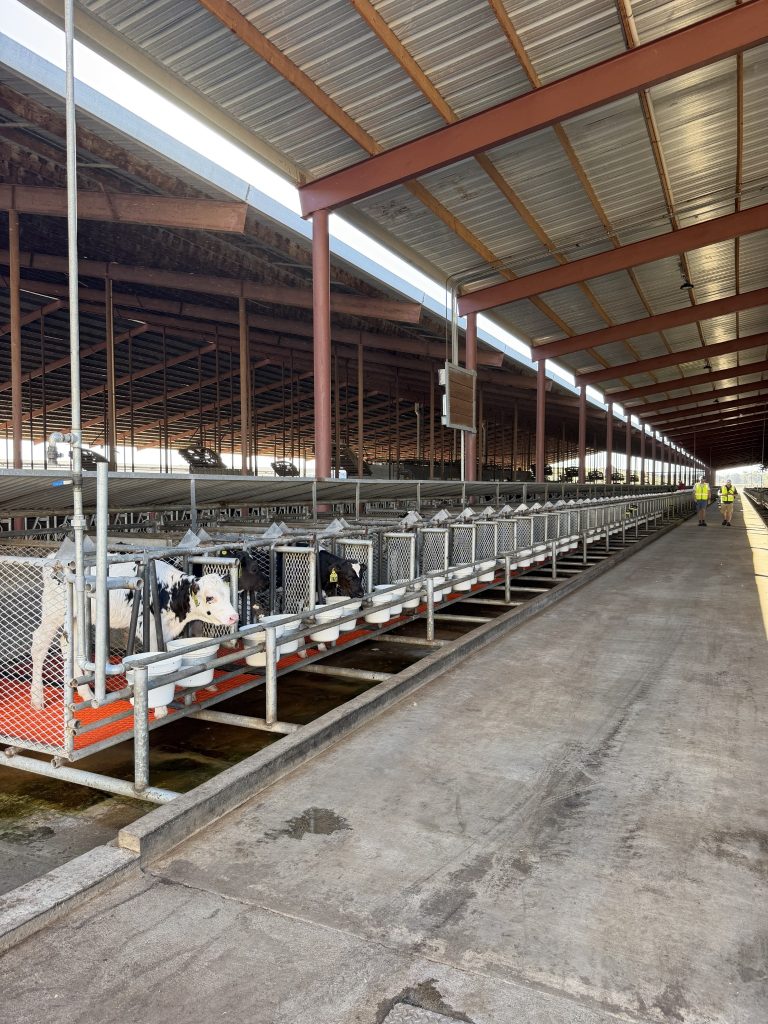
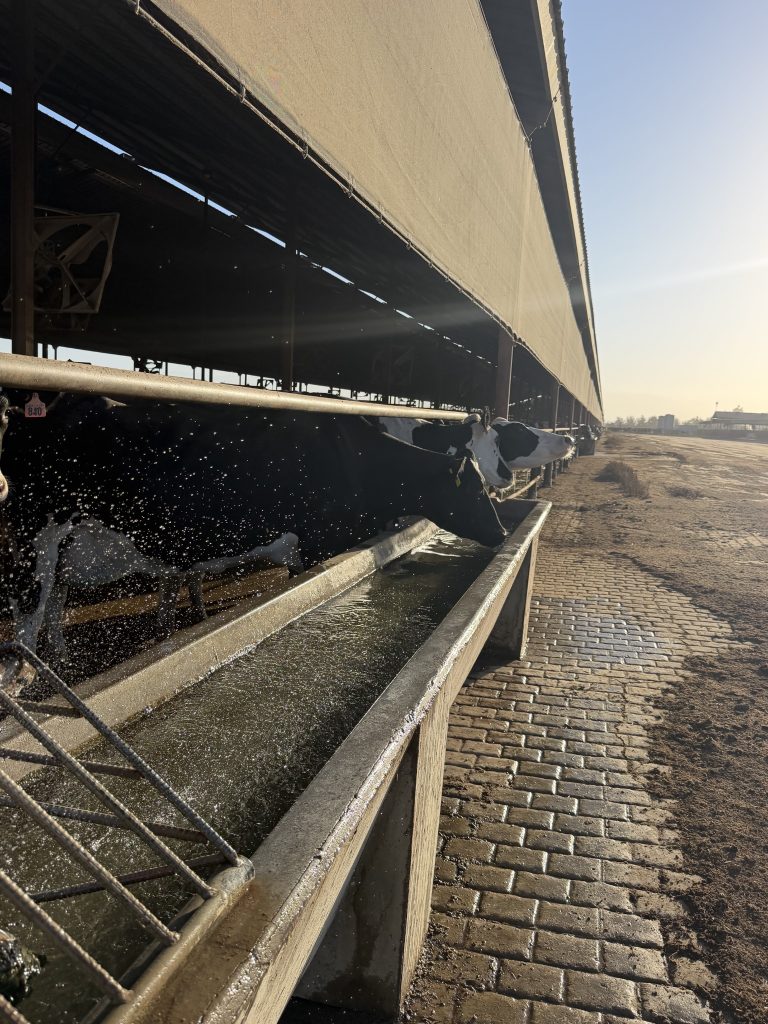
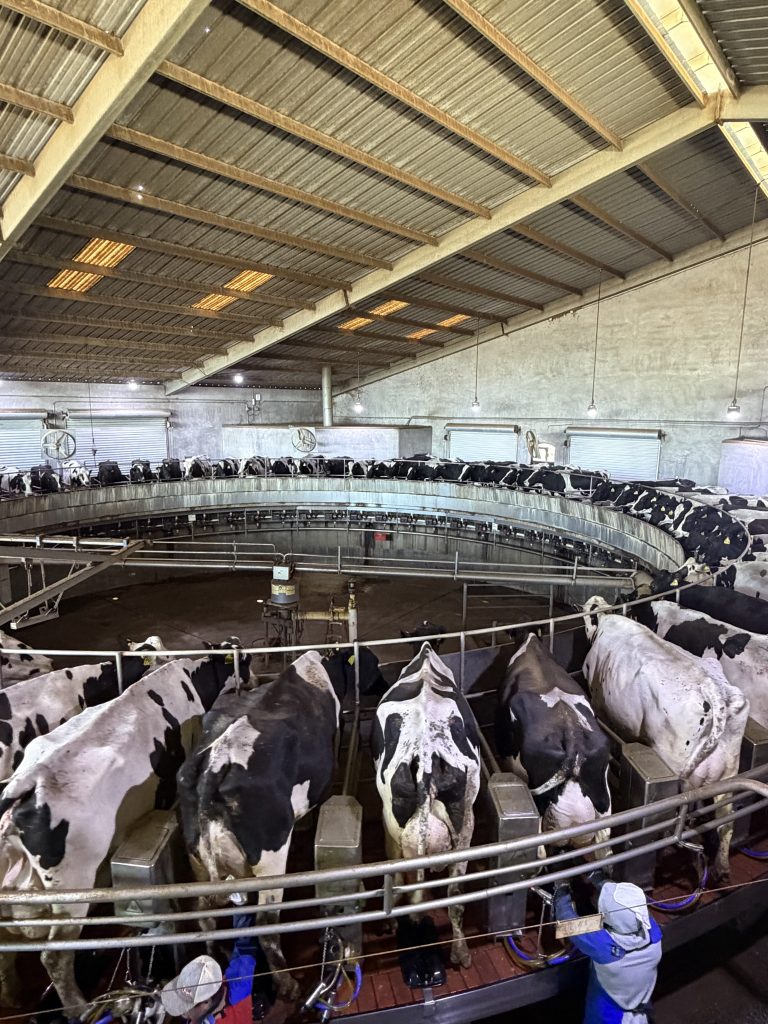
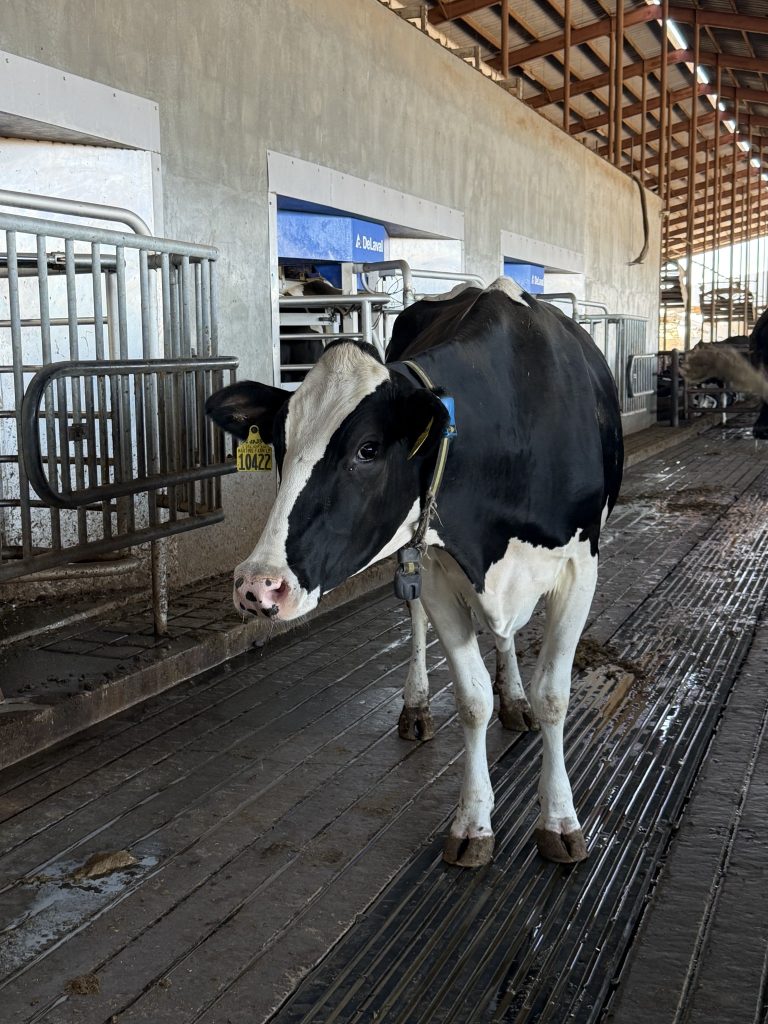
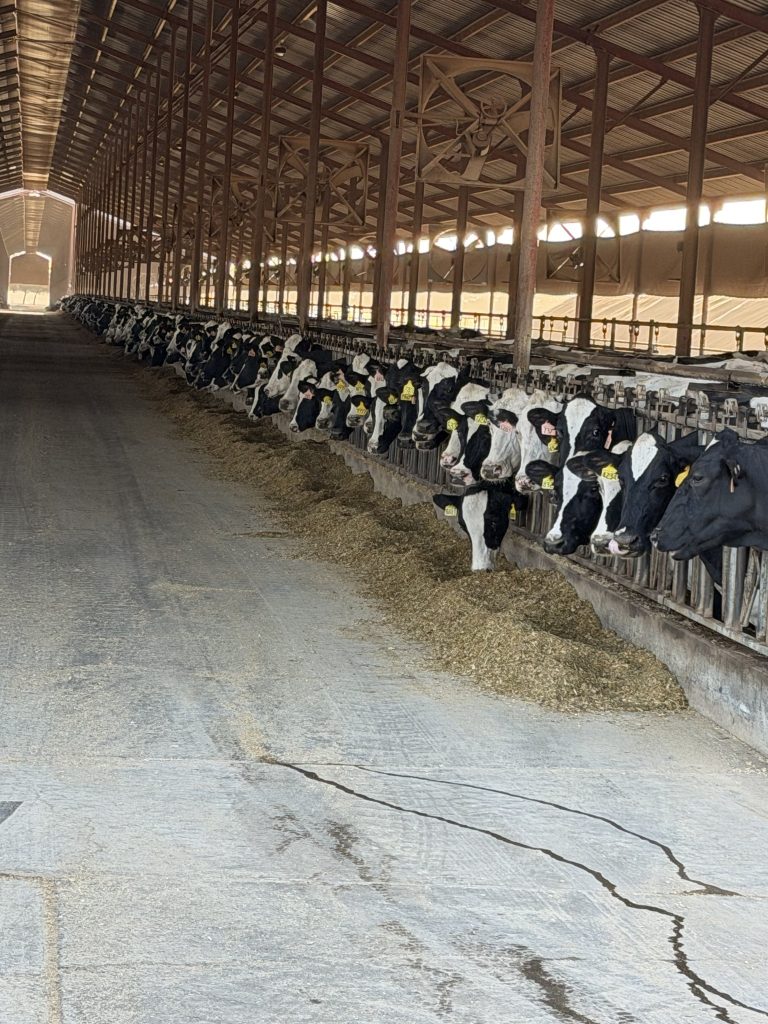
At Dixie Creek Dairy in Hanford, I saw approximately 7,200 Holstein cows and a 120-point rotary parlour capable of milking around 600 cows per hour. The visit offered an insight into the organisation required to manage a dairy business of this size, alongside discussions around herd performance and reproduction.
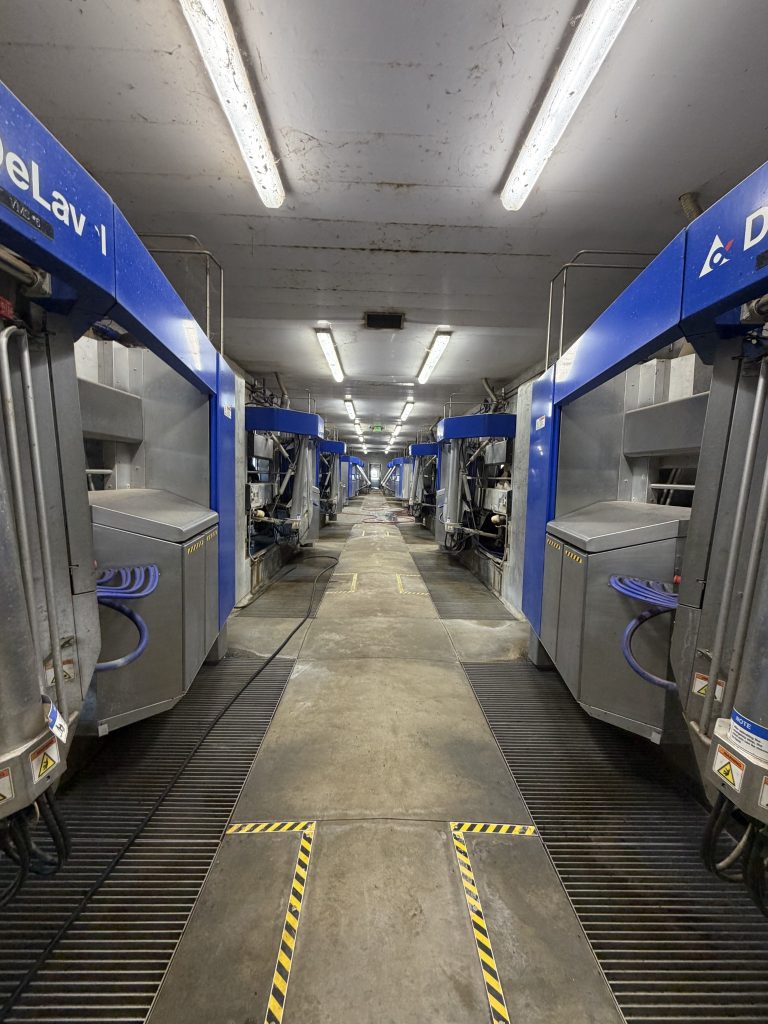
At Martin’s Dairy Farm, I saw a herd of 4,500 cows managed through two milking systems. Around 1,200 cows were milked by robots, while the remainder went through a 60-cow rotary parlour. Seeing both systems within the same business offered an interesting comparison of different approaches to milking at scale.
One statistic that particularly stood out was the average number of lactations in California: 2.1, compared with 3.6 in the UK. This raises interesting questions about cow longevity, replacement rates and the economics of dairy production. It was a striking difference and reinforced the importance of considering longevity alongside production when evaluating herd performance.
Another notable observation across the Californian farms was the move from milking three times a day to twice daily, with little apparent change in milk yield. It highlighted the importance of evaluating management decisions in terms of both production and efficiency, rather than assuming more intensive routines will always deliver better results.
Progressive Dairy Solutions: Looking beyond the ration
One of the most relevant visits for me was to Progressive Dairy Solutions (PDS), a US-based dairy nutrition and management consultancy.
PDS works across nutrition, performance benchmarking and staff development. Its scale is impressive, with 63 nutritionists and more than 1.25 million lactating dairy cows represented across its client base, according to figures presented during the visit. Although PDS operates on a much larger scale, I recognised principles that are relevant to TBA. Understanding customers’ objectives, considering the wider context of their businesses and using product knowledge to inform recommendations are all important to our consultative approach to selling. The presentations explored benchmarking across milk production, reproductive performance, feed costs and economic returns, highlighting why milk yield alone does not tell the whole story.
I was also interested in PDS’s emphasis on people. Training, clear communication, organisation and effective feedback were all identified as important factors in creating a culture of excellence. My key takeaway was that even the best nutritional strategy depends on how effectively it is implemented. The people, systems and daily routines behind a dairy business all contribute to its performance.
Breeding for efficiency
One of the most interesting discussions centred on the evolution of breeding priorities in Californian dairy herds.
I learned about the move from Holsteins towards Jerseys, followed by a shift back towards Holsteins, with a renewed focus on breeding smaller-framed animals.
The thinking behind this latest direction is particularly interesting. The aim is to retain the high milk production potential of Holsteins while reducing the maintenance requirements associated with larger cows. If milk output can be maintained relative to feed intake, smaller-framed Holsteins offer the potential to improve feed efficiency.
It was a valuable reminder that breeding objectives evolve as producers respond to the economics of milk production and the demands of their businesses.
I also noticed that genomic testing and sustainability appeared less prominent in the discussions I attended than they often are in the UK. This highlighted how priorities can differ between markets and production systems.
From the farm to the factory
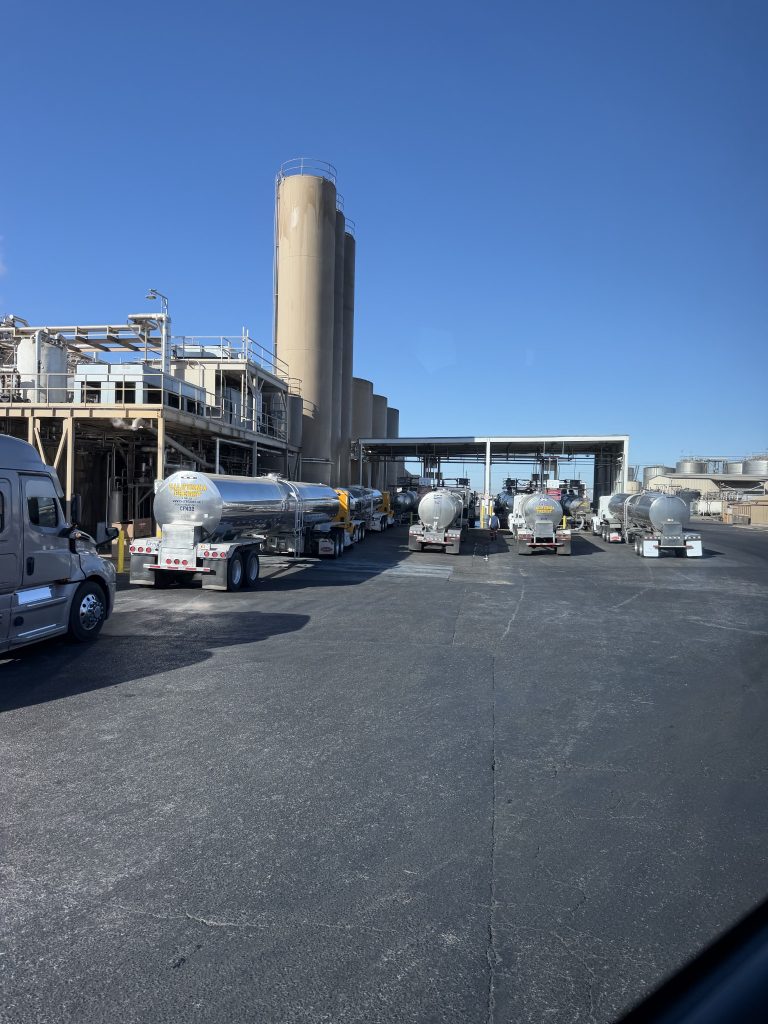
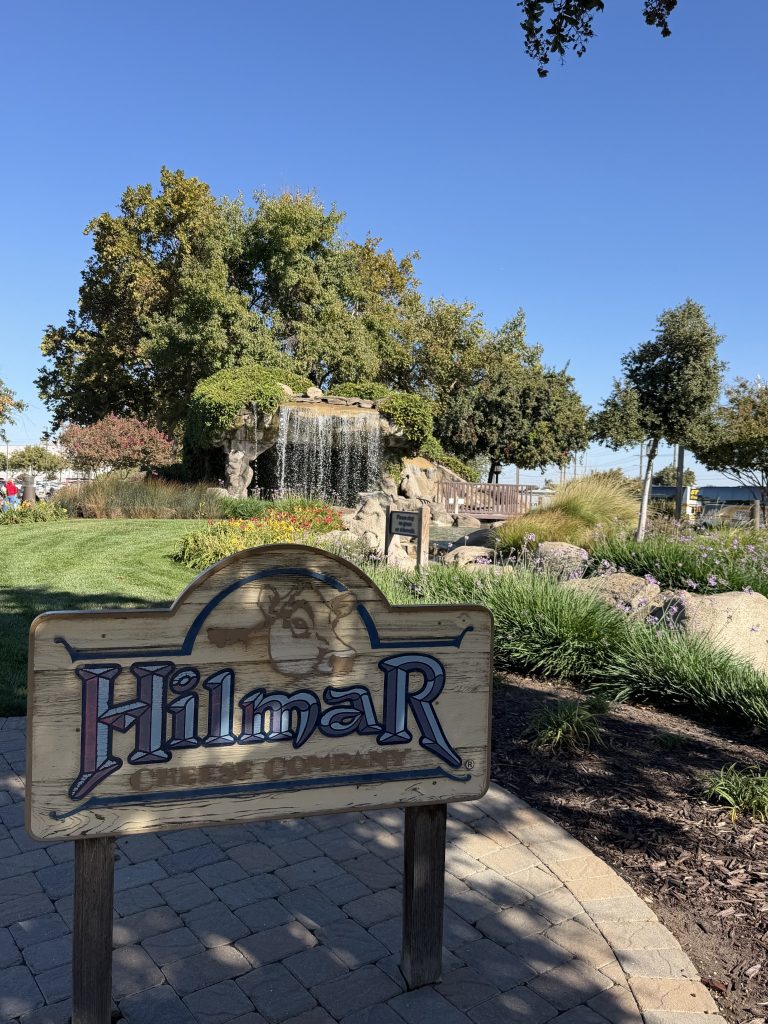
At Hilmar Cheese Company, I gained an insight into the scale of dairy processing and the connections between milk production and the wider supply chain.
Hilmar sources milk from approximately 180 farms within a 2.5-hour radius of its facilities, processing around 500,000 litres each day producing 600 tonnes of cheese per day.
I was struck by the importance of milk quality, consistency, logistics and efficient resource use. I also found Hilmar’s commitment to educating school-age children about cheese production and the wider benefits of dairy particularly noteworthy. Helping the next generation understand where their food comes from is an important part of building awareness of our industry.
My visit to Nutra Blend also gave me the opportunity to learn more about the American animal nutrition sector and exchange ideas around supporting ruminant performance.
Bringing the learning home
The biggest lesson I took from California was the value of looking beyond our own market.
The scale and systems may differ, but dairy businesses everywhere need to balance production, nutrition, management and profitability. Not every approach will translate directly to UK farms, but understanding different perspectives helps us question assumptions and identify ideas worth exploring.
At TBA, we work with dairy and beef farmers as an independent agricultural merchant, combining product knowledge with a consultative approach to understanding our customers’ needs. This trip reinforced the importance of continually developing our knowledge and learning from others across the industry.
A huge thank you to Zinpro for making the trip possible, and to everyone who welcomed me and shared their knowledge along the way.
I returned with a broader perspective on the global dairy industry and plenty to think about — and I look forward to bringing those insights into my work with UK farmers.
TBA Ltd — Trusted heritage. Focused on the future.